Allergy-Friendly House Cleaning in Allen, TX HEPA Media Filtration, EPA Safer Choice, No Compromises
North Texas is one of the worst allergy regions in the country. And if you have pets, it’s worse — dander settles into carpets, baseboards, and upholstery between every visit.
Our allergy-conscious routine uses vacuums with HEPA media filtration, electrostatic microfiber, and fragrance-free EPA Safer Choice products. Not because it’s trendy, but because it removes dust instead of moving it around.
Free Quote · Allen TX
Get Your Allergy-Friendly Cleaning Quote
Two steps. Text confirmation in minutes, full quote by email in about 30.
- No pet surcharge — ever
- Same team every visit
- No contracts
- HEPA media filtration + EPA Safer Choice
Get Your Free Quote
Takes less than 60 seconds.
Step 1 of 2 — Tell us about your home
You’re all set!
Your request is in. You’ll get a text confirmation in minutes and your quote by email in about 30 minutes.
What You'll Learn in This Guide
If you or someone in your Allen, TX home suffers from allergies or asthma, cleaning the wrong way can actually make symptoms worse. This guide covers exactly what causes indoor allergy flare-ups, which cleaning methods actually reduce allergens, and how to build a routine that keeps dust and allergens down between visits.
📋 Guide Contents
- Why North Texas is one of the worst regions for allergies
- What actually causes indoor allergies (it's not what you think)
- Dust mites, pet dander, mold & pollen — explained
- Cleaning mistakes that make allergies worse
- Cleaning methods that actually reduce allergens
- How often to clean if you have allergies
- Why recurring cleaning works better than one-time cleans
- FAQ for Allen, TX allergy sufferers
Why North Texas Is One of the Worst Regions for Seasonal Allergies
Allen, Texas sits in the heart of North Texas — a region consistently ranked among the worst in the country for seasonal allergies. The AAFA Allergy Capitals report places Dallas-Fort Worth in the top tier of most challenging metros for allergy sufferers year after year.
The reason is geography and climate: mountain cedar pollen arrives in winter, tree and grass pollen run through spring, and ragweed takes over from late summer into fall. In between, mold spores rise with the humid summer months. Unlike northern states that get a real winter "reset," Allen's mild climate means allergens are close to year-round.
And here's the part most people don't realize: indoors is not an escape. Every time a door opens, pollen enters. HVAC systems running most of the year circulate airborne particles throughout every room. Without proper cleaning protocols, your home traps allergens instead of filtering them out.
📖 AAFA Allergy Capitals Report — Why North Texas Ranks So High ↗
What Actually Causes Indoor Allergies — It's Not Just Dust
Most people blame "dust" for their indoor allergy symptoms. But dust itself isn't the trigger — it's what lives in the dust. Understanding the actual culprits is the first step to reducing them.
The real allergens hiding in your Allen home
Dust mite fecal particles: Dust mites are microscopic organisms that live in mattresses, carpets, upholstery and bedding. They don't bite — what triggers allergies is their waste. A mattress can hold large dust mite populations, and their droppings are so light they become airborne with any disturbance. The protein in their waste (Der p 1) is one of the most common indoor allergy triggers.
Pet dander — not pet hair: Most people think they're allergic to pet fur. They're actually allergic to a protein (Can f 1 in dogs, Fel d 1 in cats) found in pet skin cells — called dander. Dander is microscopic, can stay airborne for a long time, clings electrostatically to upholstery and walls, and can remain in a home for months after the pet is gone. Vacuuming without HEPA media filtration can blow much of it back into the air.
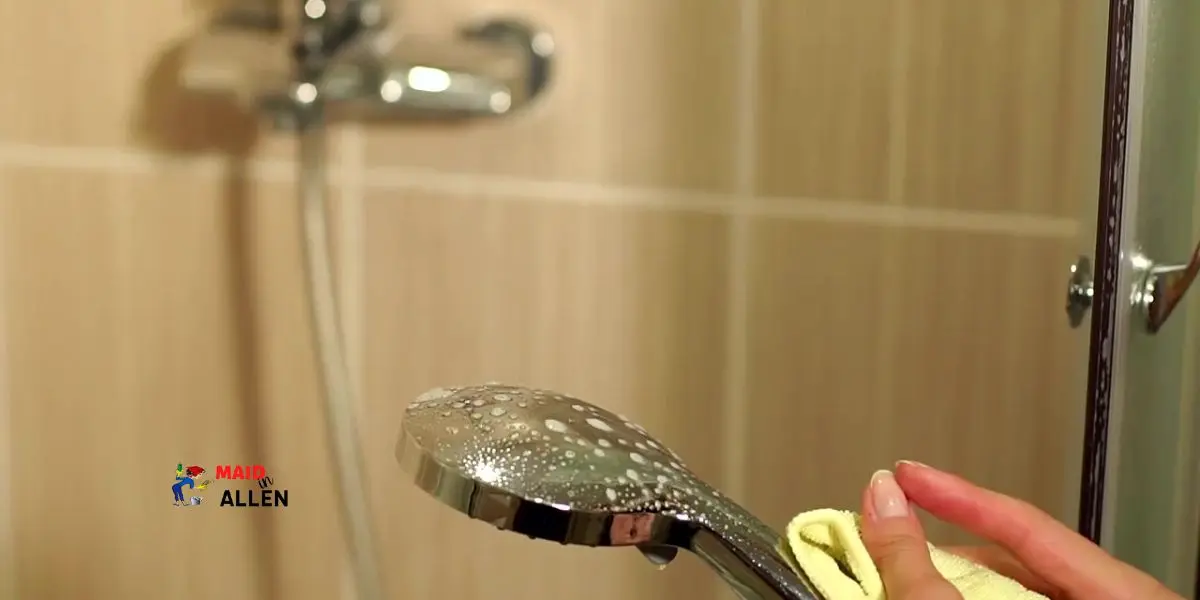
Mold spores: Allen, TX bathrooms and under-sink areas are prime mold territory due to Texas humidity. Mold releases spores that become airborne allergens. Unlike pollen (seasonal), mold spores can be present year-round indoors, especially in spaces with poor ventilation or prior water damage.
Seasonal pollen — tracked indoors: During North Texas pollen peaks, every time someone walks through the front door, they bring pollen in on shoes, clothing and hair. Tree and grass pollen in spring and ragweed in fall: these particles settle on floors, windowsills and upholstery where standard cleaning misses them.
VOCs from cleaning products: This is the most overlooked indoor allergen. Many conventional cleaning products contain volatile organic compounds (VOCs) and synthetic fragrances that off-gas into the air for hours after use. Paradoxically, cleaning your home with these products can trigger the exact allergy and asthma symptoms you're trying to prevent.
Dust Mite Waste
One of the most common indoor allergy triggers. Lives in bedding, carpets, and upholstery. Vacuuming with HEPA media filtration and microfiber cloths help trap it instead of redistributing it.
Pet Dander (Can f 1 / Fel d 1)
Microscopic skin proteins, not fur, that stay airborne and cling to surfaces. Reduced with HEPA media filtration and microfiber that holds what it picks up.
Mold Spores
Year-round indoor allergen in Texas bathrooms and moisture zones. Regular cleaning of grout, tile, and under-sink areas keeps buildup from settling in.
Tracked-In Pollen
Enters through doors and shoes during North Texas's long pollen season. Windowsills, entryways and floors are the highest-deposit zones.
Are allergens making your home uncomfortable?
Our bi-weekly plan removes dust, dander, and pollen on a steady rhythm, not just once in a while.
See the Bi-Weekly Allergy Cleaning Plan →The 6 Key Allergens We Target in Allen Homes
The most common indoor allergen triggers in North Texas — and how professional cleaning reduces each one.
Dust Mites
Thrive in mattresses, upholstery and carpets. Vacuuming with HEPA media filtration and microfiber cloths trap mites and their waste rather than redistributing them into the air you breathe.
Seasonal Pollen
Tracked indoors daily through shoes and open windows. We clean windowsills, entryways and hard floors — especially during Allen's spring and fall pollen peaks.
Mold Spores
Common in Allen bathrooms due to Texas humidity. We clean grout, tile, and under-sink areas with EPA Safer Choice products so buildup does not settle in.
Pet Dander
Microscopic skin proteins that cling to fabric and circulate in air. HEPA media filtration and microfiber cloths help remove it from furniture, floors, and vents.
Dust & Particulates
North Texas construction and wind create heavy indoor dust loads. We clean ceiling fans, air vents, and baseboards before vacuuming, so dust falls before the floors are done.
VOCs from Products
Many cleaning products release volatile compounds that irritate airways. We use fragrance-free EPA Safer Choice products chosen to keep added chemicals and scents down.
The 5 Cleaning Mistakes That Make Allergies Worse
Well-intentioned cleaning done the wrong way can aerosolize allergens, introduce new chemical triggers, and leave the highest-allergen zones untouched. Here are the most common mistakes we see in Allen homes.
Using a Standard Vacuum
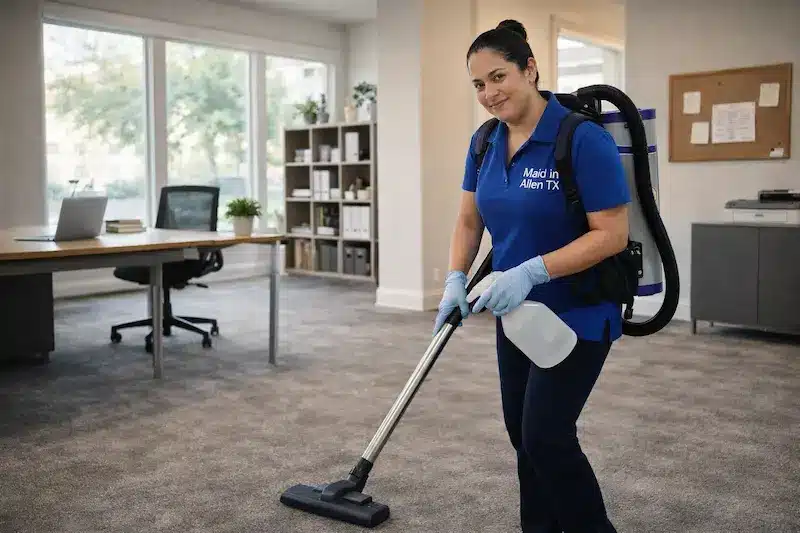
Vacuums without HEPA media filtration can exhaust fine particles — including dust mite waste and pet dander — back into the air through the exhaust. You pick up visible debris but aerosolize the microscopic allergens that actually trigger symptoms.
Cleaning Bottom to Top
Cleaning floors first, then shelves and ceiling fans means dislodged particles fall onto surfaces you just cleaned. The correct order is always top-down: ceiling fans → shelves → counters → floors last.
Using Fragrance-Based Products
Synthetic fragrance is one of the top chemical triggers for allergic rhinitis and asthma. Products labeled "fresh," "clean" or even "natural" often contain fragrance compounds that off-gas for hours. The result: a clean-smelling house that's chemically irritating.
Skipping Vents & Baseboards
Air vents and baseboards accumulate the highest concentrations of dust, dander and mold spores in a home — then the HVAC system blows them into every room with every cycle. These are the most-skipped zones in standard cleaning.
Using Feather Dusters
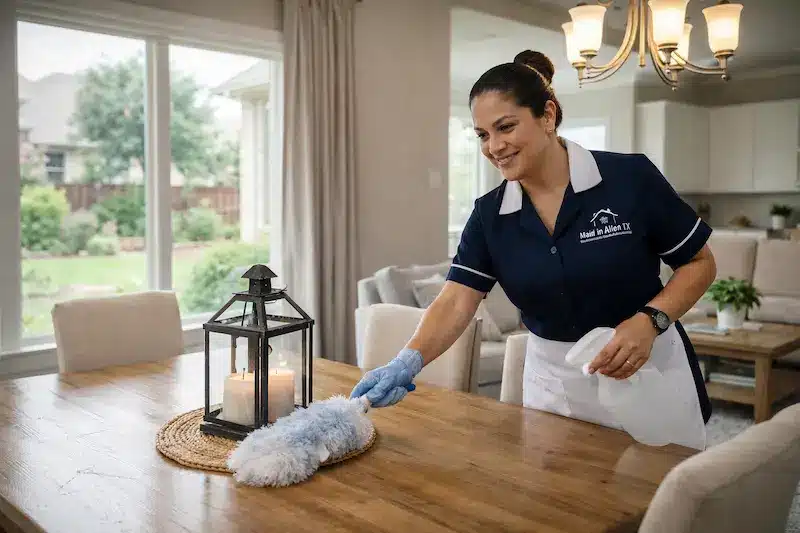
Feather dusters scatter particles into the air rather than capturing them. Microfiber cloths electrostatically attract and hold particles — a simple difference that matters for allergy sufferers.
Cleaning Only When It "Looks Dirty"
Allergens are invisible. Dust mite waste and pet dander build up long before surfaces look dusty, so waiting until dirt is visible means allergens have been building for days.

7 Cleaning Methods That Actually Reduce Allergens
The techniques that make a real difference for allergy sufferers in Allen, TX, the same ones our team uses every visit.
Always Clean Top to Bottom
Start at ceiling fans and shelves, finish at the floor. Dislodged particles fall onto surfaces you haven't cleaned yet — not ones you just finished.
HEPA Media Filtration
Standard vacuums can exhaust fine particles back into the air. Vacuums with HEPA media filtration help hold dust mite waste, mold spores, and pollen: the difference between redistributing allergens and removing them.
Microfiber, Not Feather Dusters
Microfiber electrostatically traps particles instead of scattering them into your breathing zone. A simple swap that matters for anyone sensitive to dust.
Eliminate All Synthetic Fragrances
Fragrance is a common trigger for people with allergies and asthma. Unscented products are the safer default; "lightly scented" is still scented.
Prioritize Vents & Baseboards
These two spots collect a lot of dust and dander yet are often skipped in standard cleaning. Vents especially — they distribute whatever accumulates there into every room.
Treat Moisture Zones Proactively
Allen's humidity makes bathrooms and under-sink areas prime spots for mold. Cleaning these zones on a regular schedule keeps buildup from getting a foothold.
Ventilate After Every Clean
When pollen counts are low, open windows or run the HVAC fan for a while after cleaning to clear particles stirred up in the air.
How Often Should You Clean for Allergies in Allen, TX?
The frequency question has a practical answer, not just a general "clean more often." The right interval removes buildup before it settles back into carpets, bedding, and upholstery.
Why every two weeks
Dust, pet dander, and tracked-in pollen build up steadily between visits. A two-week rhythm removes them before they work deep into carpets, bedding, and upholstery, which is why bi-weekly is the starting point we recommend for allergy-sensitive homes.
If you wait longer, monthly or on an "as-needed" basis, more of that buildup settles in between visits and takes more work to remove.
North Texas seasonal adjustment
During Allen's high pollen seasons, spring (trees and grass) and late summer through fall (ragweed), more pollen gets tracked indoors. During these windows, many allergy-sensitive households move to weekly cleaning.
Outside of peak season, bi-weekly fits most Allen households with allergy sufferers.
When weekly is the right choice
Consider upgrading to weekly service if: someone in the home has asthma, you have pets AND allergies (the combination increases dander), there are young children or seniors with respiratory conditions, or your home has carpeted floors throughout (carpet holds more allergens than hard flooring).
| Household Profile | Recommended Frequency |
|---|---|
| Mild allergies, no pets, hard floors | Bi-weekly |
| Moderate allergies, 1–2 pets | Bi-weekly |
| Severe allergies or asthma | Weekly |
| Pets + allergies in same home | Weekly |
| During North TX pollen peaks | Weekly (add to existing plan) |
| Children/seniors with respiratory issues | Weekly |
Not sure which frequency is right for your household?
We've been serving Allen homes since 2009. Call or text us and we'll give you an honest recommendation — no upsell.
Call (214) 317-1867 for a free consultation →
Why Recurring Cleaning Works Better Than One-Time Cleans for Allergies
A one-time deep clean is a good start — but allergens return. Dust mites reproduce. Pets continue producing dander. Pollen keeps entering every time a door opens. Mold finds new moisture zones.
The way to keep indoor allergens down is a regular, recurring cleaning schedule using the right methods: not periodic big cleans, but consistent maintenance that prevents buildup.
Think of it like brushing your teeth: one good session helps, but the results come from doing it on a schedule. Recurring cleaning works the same way: preventive, not reactive.
The difference is not that we clean harder. It is that the same team cleans your home consistently, with the right methods and products, every visit.
See the Bi-Weekly Allergy Cleaning Plan — Allen, TX →Allergy Cleaning Across Allen, TX
Serving every Allen neighborhood and nearby Collin County communities from our Allen, TX base since 2009.
Get Your Free Allergy Cleaning Quote
No contracts. No commitment. A text confirmation in minutes and your quote by email in about 30 minutes.

Get My Free Quote
No spam · No contracts · Same team every visit
- ✓ Bi-weekly from $120 per visit; custom quote for larger homes
- ✓ $30 off your 3rd bi-weekly cleaning
- ✓ Fragrance-free EPA Safer Choice products
- ✓ Two short steps, quote by email in about 30 minutes